Key points
- Ask about the particular service, table, and nearby sound sources; a restaurant described as quiet cannot guarantee your comfort.
- Agree a pause, payment, and alternative plan with your companion before arriving.
- A meal plan is a practical arrangement, not sound therapy or a reason to stay through pain.
For a restaurant visit with hyperacusis, ask about the specific service and seating, then agree what you will do if the setting becomes difficult. The aim is to make a meal easier to plan. A restaurant's description, photograph, or review cannot guarantee that its sound will be comfortable for you.
Worcestershire Acute Hospitals' patient guide includes restaurant environments, crockery, and cutlery among examples that can be difficult for some people with sound sensitivity. Which parts matter to you should guide the conversation, rather than a universal list of places to avoid or visit.
Start with the meal you want to arrange
Define the activity: a short catch-up with a friend, a family occasion, or a work lunch. Then identify what you need to know before deciding whether that particular plan is workable.
For example, a conversation near a speaker raises a different practical question from a table beside a service station. A hypothetical request could be, “Could we choose somewhere we can talk to staff about seating before booking?” You do not need to predict a symptom score to explain that preference.
If sound causes pain or your symptoms have changed, discuss the difficulty with your care professional. ASHA's guidance supports an individualized approach; an outing plan cannot substitute for that assessment. Our management overview can help prepare questions.
Ask specific questions before reserving
Staff may be able to describe the room and usual service, even if they cannot assess its suitability for hyperacusis. Useful questions include:
- Is background music usually playing at the proposed time, and where are the speakers?
- Is there a table away from the bar, kitchen opening, or crockery collection point?
- Are there events, large bookings, or live performances during that service?
- Is there a less busy time the staff can suggest?
- Can seating be requested, and could it change on the day?
- Where is the exit, and is stepping outside practical for the people attending?
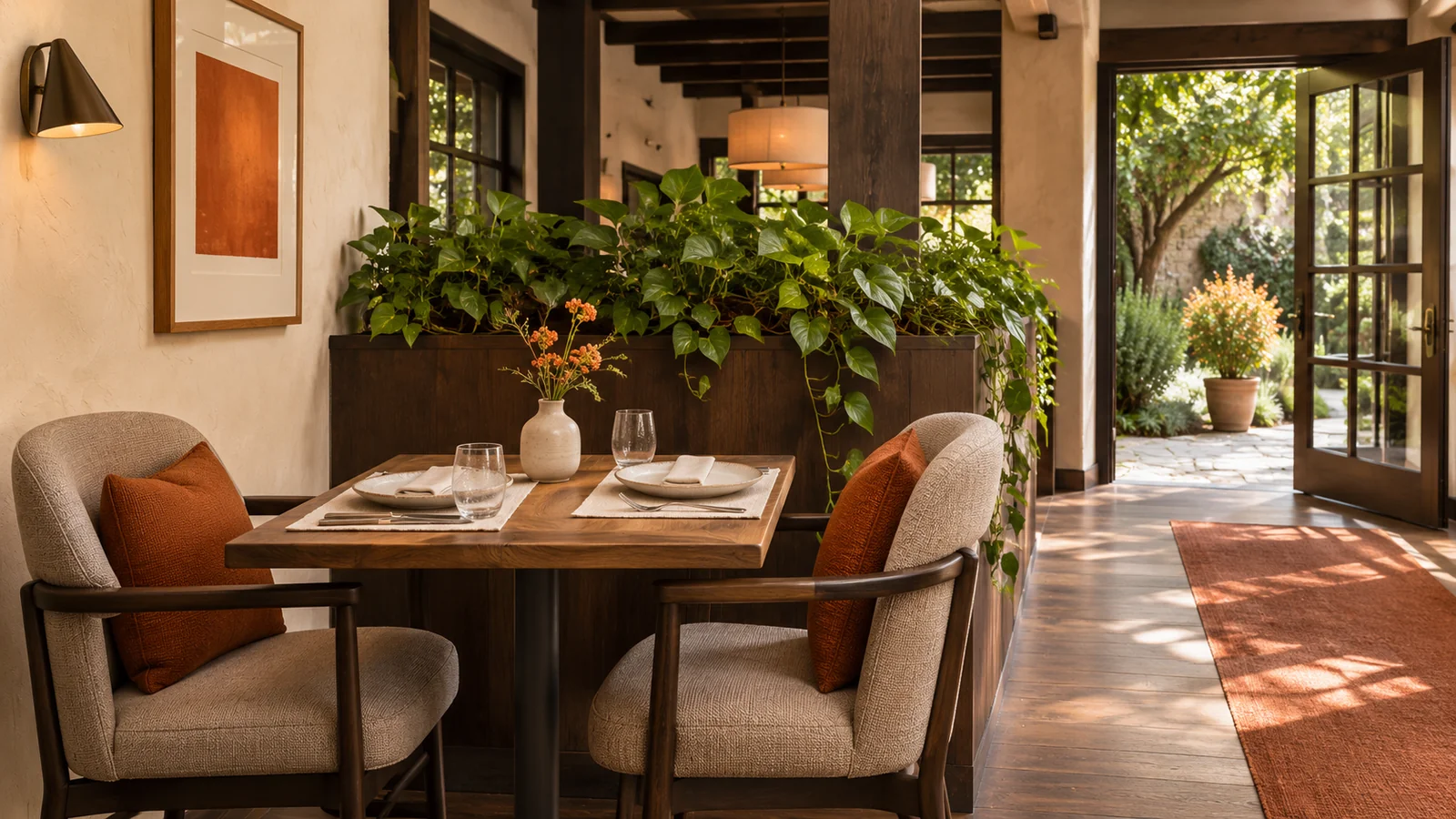
These are original planning questions, not an acoustic inspection. A cushioned booth or outdoor table may look appealing while having other nearby sound sources. Ask rather than assuming that a photograph establishes the conditions.
Copy a short reservation request
“I have a sound sensitivity and am checking a few details before booking for [time]. Is music usually playing then? Could we request a table away from speakers and the kitchen or crockery station? I understand you cannot guarantee the sound level; please let me know if seating requests are uncertain.”
Adapt the message to the detail you want to share. You can ask practical questions without providing a diagnosis or a medical history to a booking service.
If staff cannot answer, treat that as an unknown when making your decision. Avoid treating the booking confirmation as a promise about comfort or safety.
Agree a pause and an alternative
Talk with your companion before arriving. A short plan might cover a word or gesture for stepping out, who handles payment, whether someone will come with you, and what to do if you decide to leave.
An alternative could be taking food away, changing the meeting location, or arranging another day. These are choices to agree together. They are not a required progression toward staying longer, and a meal that changes course is not a failed treatment session.
There is no universal restaurant duration or volume target in this guide. The NHS hyperacusis guidance advises stopping sound therapy that is uncomfortably loud or painful and contacting a clinician. Do not reinterpret a social plan as permission to push through pain or perform your own tolerance test.
Keep sound tools tied to their purpose
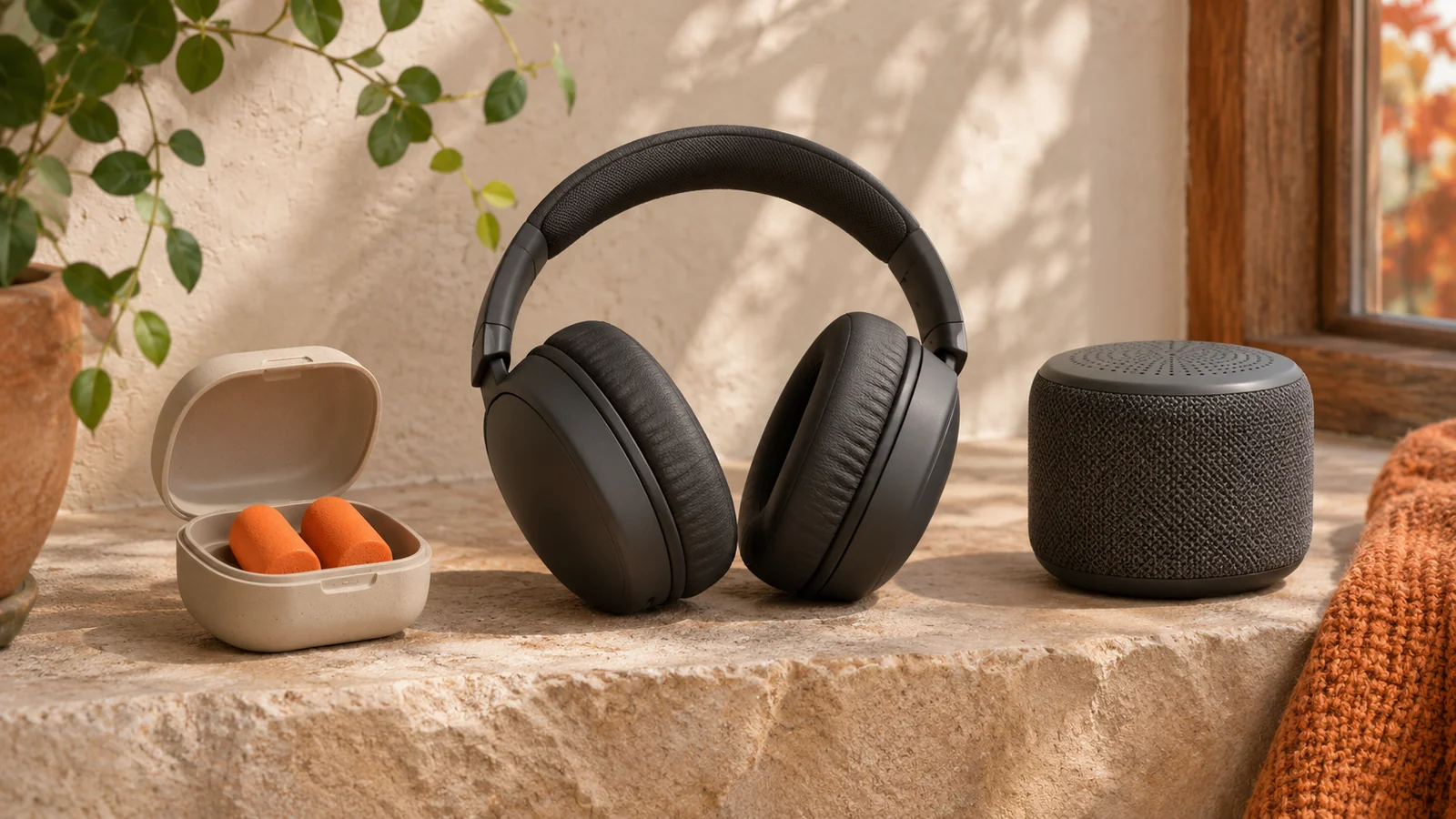
If you are considering earplugs or headphones, be clear about their intended role and any advice you have already received. Hearing protectors reduce incoming sound, but a product label does not predict your comfort in a particular restaurant.
Noise-cancelling consumer headphones and masking audio have different functions. Our sound-tool comparison explains the distinction without choosing a device or a wearing schedule for you. Do not turn added audio up simply to overpower the room.
Keep only the detail that helps the next decision
Afterward, you might note the useful reservation answer, whether the requested table was available, and one change you would discuss next time. There is no need to monitor every sound or turn the visit into a test.
You can keep the booking questions or agreed plan in Haelan's journal. This is an organizational use of the app, not evidence that it makes a restaurant visit safe or treats hyperacusis. Bring unresolved pain, discomfort, or a change in symptoms to an individualized care discussion.
Return to the condition guide ↗
Sources & further reading
Publication approved by the Haelan publisher. Sources checked with AI assistance. Written by the Haelan team; not independently clinically reviewed. Cover: AI-generated editorial illustration. About our content
Build a practice for your daily life.
Explore guided lessons, calming practices, and journaling tools with Haelan. Keep your learning and reflections in one place.
Explore Haelan for hyperacusis